
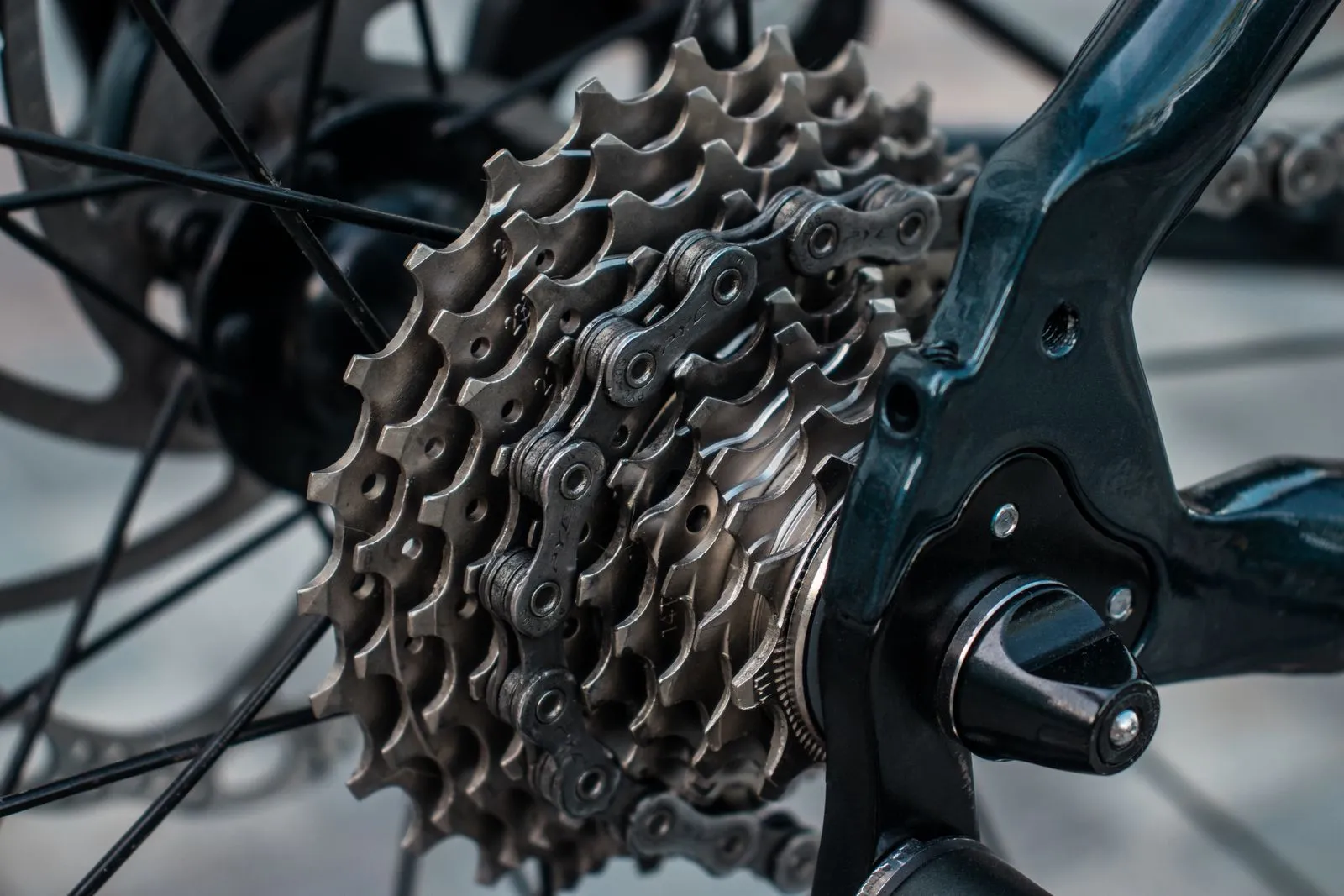
Chicago riding conditions can shift from dry pavement to rain, grit, and winter residue in a short time. A quick bike check at the start of each season—and after especially rough rides—can catch wear before it affects comfort or control. Focus on four systems: tires, brakes, chain, and shifting. You do not need to perform a full repair every time; look, listen, and test each part, then address problems before your next longer ride.
Check Tires and Wheels
Before a ride, inspect both tires for cuts, embedded glass, bulges, and worn tread. Chicago streets can leave small debris in the rubber, so remove anything you can safely lift out without widening a cut. Replace a tire with exposed casing, a persistent bulge, or damage that reaches through the tread. Also check that each wheel sits securely in the frame or fork.
Tire pressure changes with temperature and can affect grip, comfort, and pinch-flat risk. Use the pressure range printed on the tire as a starting point, and check with a gauge rather than relying on how the tire feels by hand. Follow the sidewall guidance and your bike or tire maker’s recommendations. If you ride through wet streets, avoid worn tires and make sure the tread is suitable for your routes.
Test Brakes Before Riding
Squeeze each brake lever while the bike is stationary. The lever should feel firm and should not pull all the way to the handlebar. Spin each wheel and apply its brake to confirm the wheel slows smoothly. Listen for scraping, squealing, or uneven contact, and check that the pads meet the rim or rotor squarely rather than rubbing continuously.
Rain, road grit, and winter residue can wear or contaminate braking surfaces. Look for pads that are thin, uneven, or embedded with debris; check disc rotors for visible damage and oily residue. Do not touch a rotor with greasy fingers. If braking feels weak, a cable looks frayed, or hydraulic fluid appears to leak, avoid riding until the system is inspected and repaired.
Clean and Lubricate the Chain
A dry, gritty, or rust-speckled chain needs attention, especially after wet rides or exposure to salty slush. Wipe the chain with a clean rag, apply bicycle chain lubricant to the rollers, then wipe away the excess from the outside plates. Too much lubricant attracts dirt and can spread grime to the drivetrain. Use a lubricant suited to the conditions, and follow its instructions.
Check chain wear with a chain-wear gauge if you have one. A worn chain can accelerate wear on the cassette and chainrings, so replacing it in time may prevent a larger drivetrain repair. If the chain has stiff links, visible rust, or keeps skipping under pressure, do not rely on lubrication alone. Have the cause checked before a demanding ride.
Confirm Smooth Shifting
Shift through the gears while pedaling gently in a safe place. The chain should move promptly without repeated clicking, hesitation, or dropping off the chainrings. Avoid shifting under heavy pressure, which can strain the drivetrain. After a change in weather or a bike wash, inspect the shift cables for fraying and look for a bent derailleur or hanger before adjusting anything.
Mud and grit can collect around the derailleur pulleys and cassette. Brush away debris, then check that the derailleur moves freely and the chain runs straight in each gear. Persistent skipping, slow shifts, or a chain that jumps between gears may indicate wear or a setup issue. A bike shop can diagnose the cause and tune the drivetrain without guesswork.
Make these checks part of your seasonal routine, and repeat them after wet, gritty, or unusually long rides. Catching small changes early helps keep your bike predictable and comfortable on Chicago streets. If a part looks damaged or a system does not work smoothly, pause and arrange an inspection before riding farther.